
Non-Surgical Spinal Decompression in Sarasota
Create space for your discs to heal, without surgery.
A gentle, non-invasive addition to chiropractic care for disc problems in the neck and lower back.
What non-surgical spinal decompression is
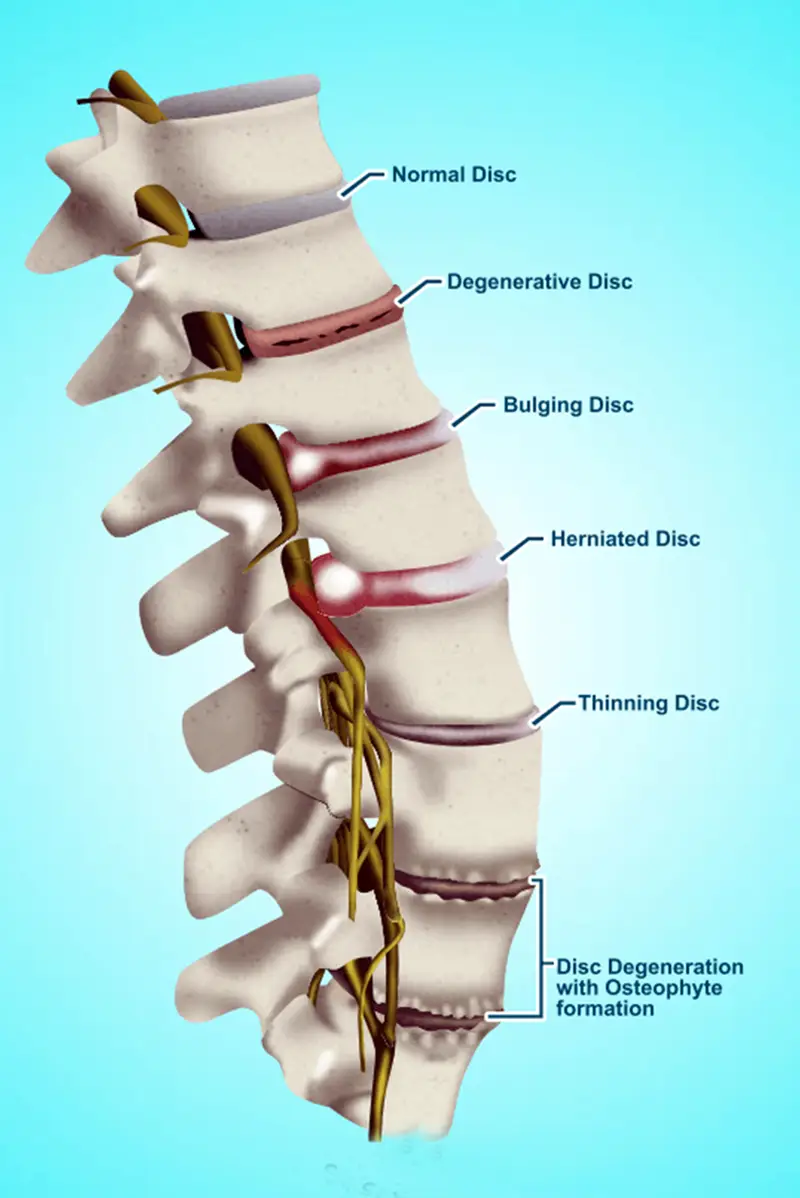
Non-surgical spinal decompression gently and repeatedly stretches a targeted area of your spine, creating space between the vertebrae. That space takes pressure off the discs and the nerves around them.
It is used to help rehydrate degenerative discs, create space for herniated or bulging discs to settle back, reduce pressure that contributes to arthritis, numb or tingling hands and feet, sciatica, and headaches, and offset the daily effects of gravity on your spine.
Decompression creates space. Chiropractic works on the alignment that overloaded the disc in the first place. Together, they give you the best shot at a lasting result.
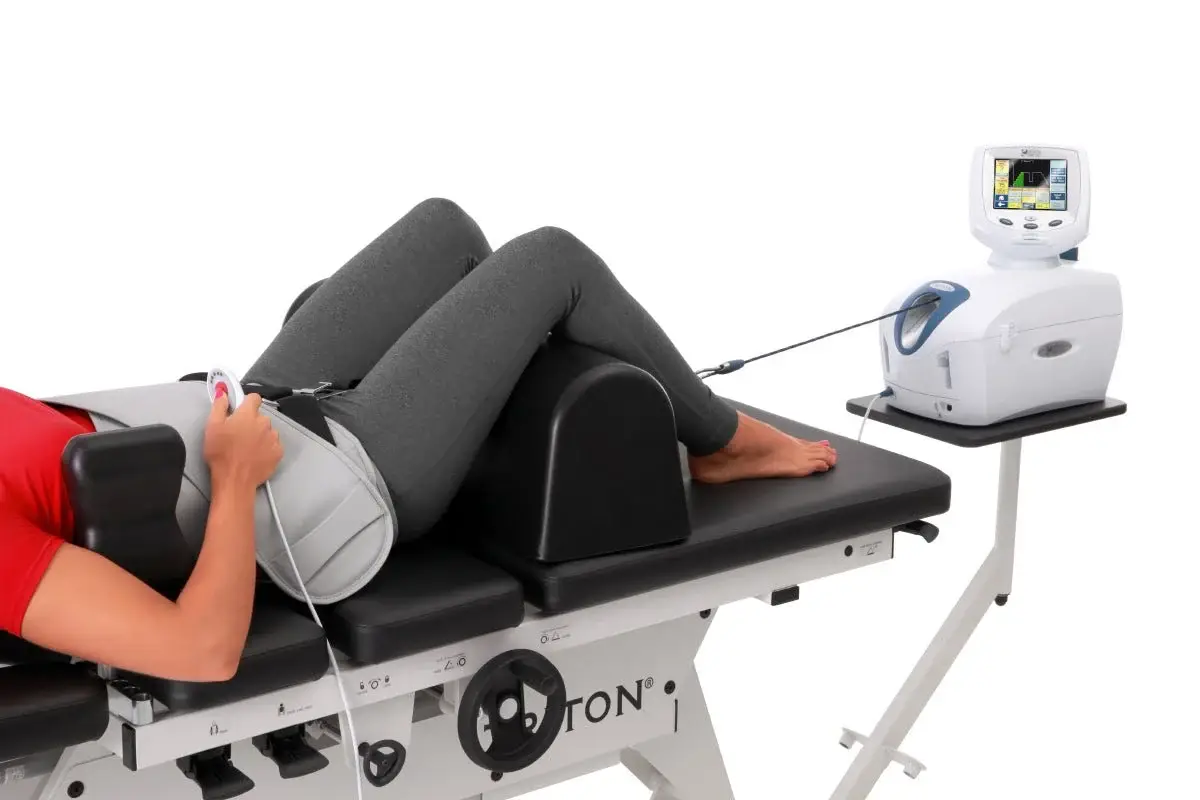
Our table: the Chattanooga Triton 6M
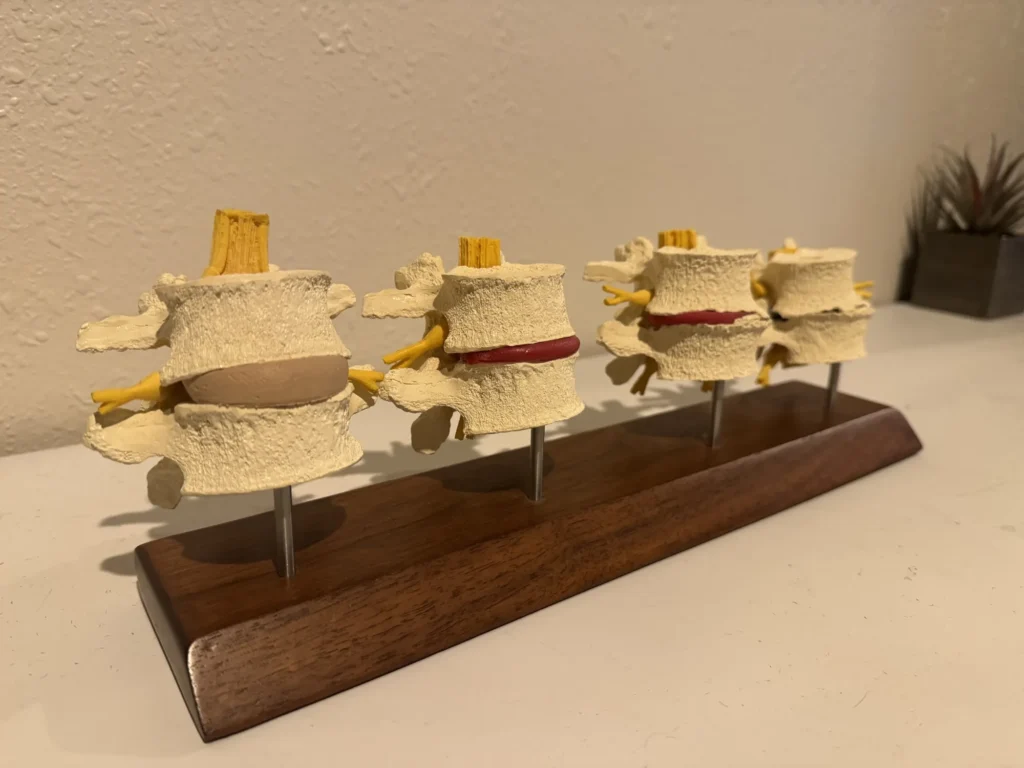
We use the Chattanooga Triton 6M traction table. Its six adjustable sections let us position you comfortably, face-down or face-up, and target the exact level of your neck or lower back.
The pelvic section tilts from 0° to 15° to put your lower back in the right position, and the head piece adjusts from -15° to +40° for work on the neck and upper back. Gas-spring sections move smoothly, so we can fine-tune your position without you having to shift around on the table. Every session is set up for your spine specifically.
The table pairs with Chattanooga’s Triton DTS traction unit, which can run static, intermittent, or cycling pulls. A pre-tension step eases you into each session so your muscles don’t guard against the stretch. Chattanooga’s stated uses for the Triton system include sciatica and pain associated with bulging, herniated, and degenerative discs, facet problems, and pinched nerve roots. See the Triton 6M on Chattanooga’s website.
Is it right for you? Decompression is not for everyone. Pregnancy, recent fractures, and advanced osteoporosis are common reasons that we may not recommend it. Your exam screens for these first.
How it works
1
Exam & X-rays
We confirm a disc is involved and that decompression is safe and right for you.
2
Comfortable setup
You lie comfortably on our Chattanooga Triton 6M traction table while a harness targets the exact level of your neck or lower back.
3
Gentle cycles
The table slowly stretches and relaxes in cycles so your muscles stay relaxed. Each session takes about 15 minutes.
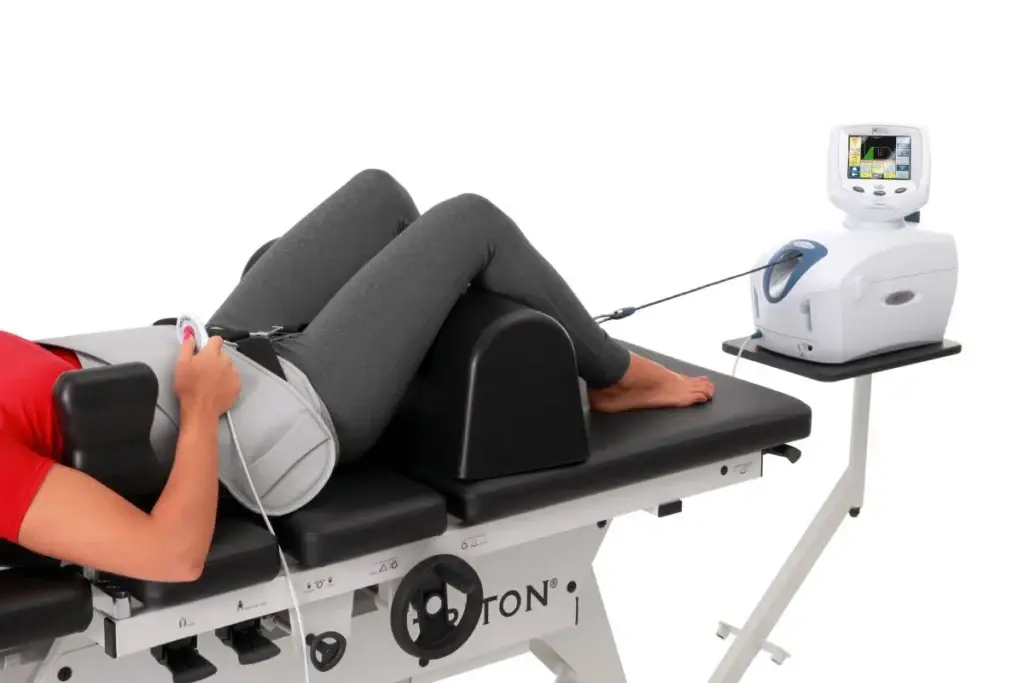
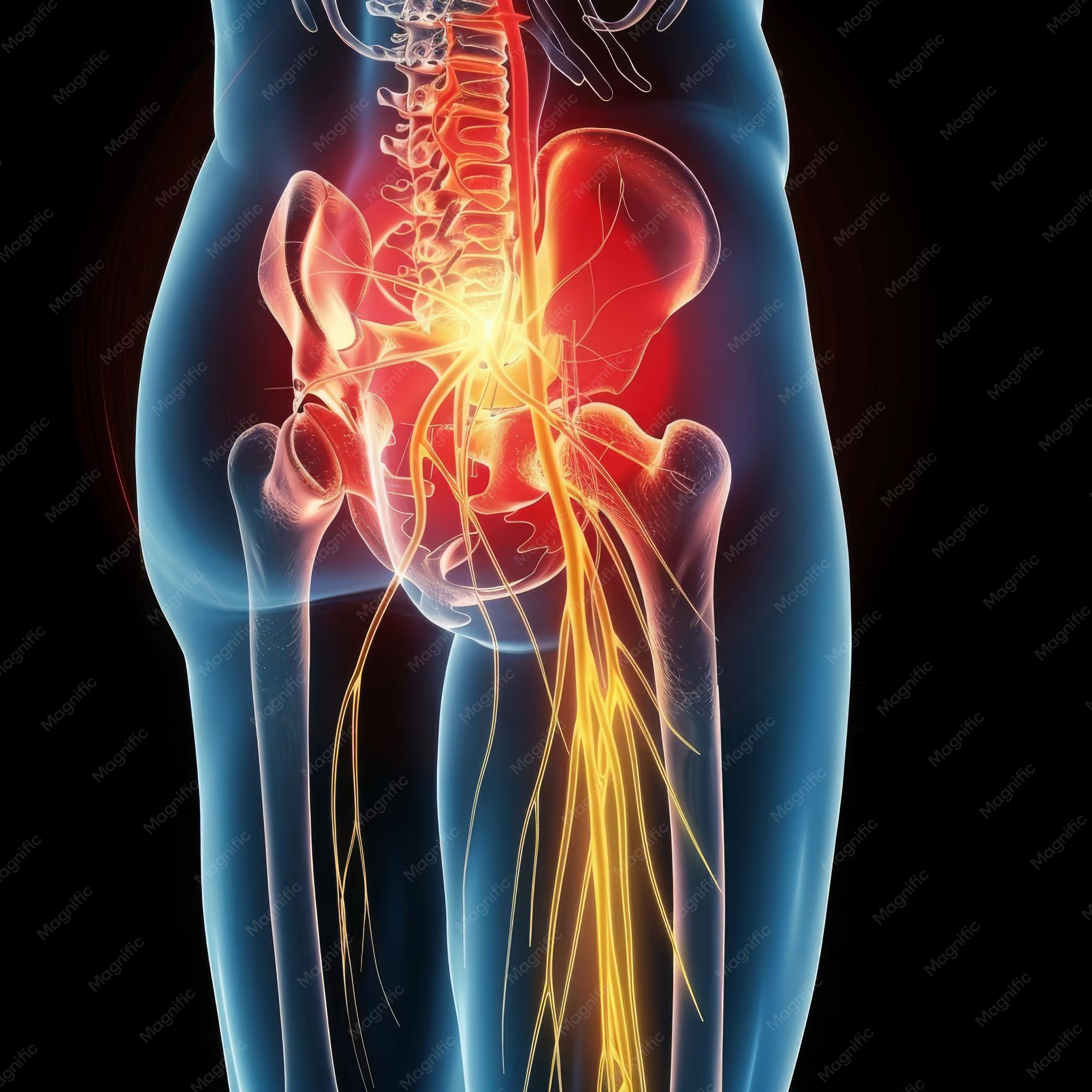
Non-Surgical Lower Back (“Lumbar”) Decompression
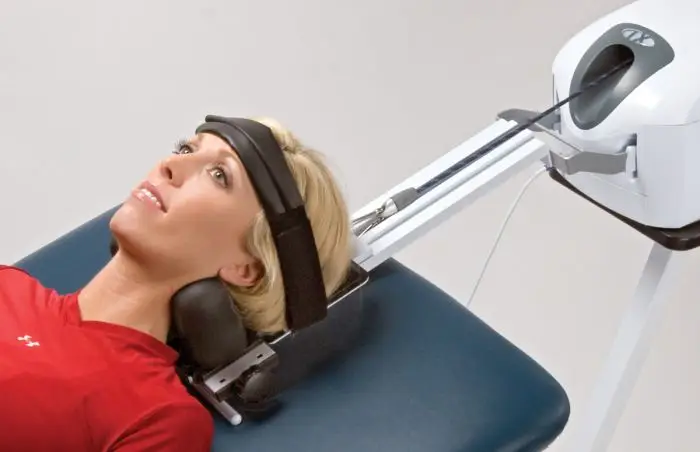
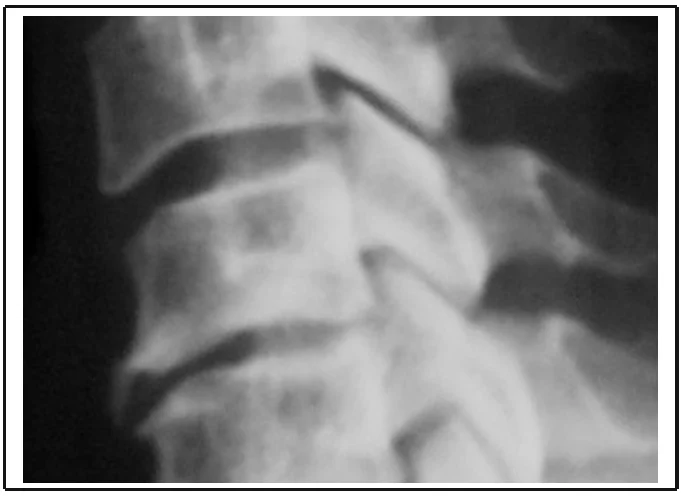
Non-Surgical Neck (“Cervical”) Decompression
Who it helps
Decompression is most often part of the plan for:
patient stories
Real results from Sarasota patients
Hear it from a patient
[Video testimonial coming soon: replace this line with a YouTube embed of a Non-Surgical Spinal Decompression patient, then remove the circ-hidden class.]
[Case story title]
[Case story coming soon: a short Non-Surgical Spinal Decompression patient story with a link to the full blog post. Remove the circ-hidden class when ready.]
What the research says about Non-Surgical Spinal Decompression
Spinal traction has been used for decades to take pressure off discs and nerve roots. The research is most consistent for neck pain that travels into the shoulder or arm.
The 2017 Neck Pain Clinical Practice Guidelines, published in the Journal of Orthopaedic & Sports Physical Therapy, support intermittent mechanical cervical traction for neck pain with radiating arm pain when it’s combined with exercise and hands-on care. That combination is how we use it here: decompression alongside your adjustments and home exercises, never on its own.
For low back disc problems, the studies are more mixed. Some patients notice real changes in leg pain and in how long they can sit or walk, and others don’t. That’s why your exam and X-rays come first, and why we track your progress and tell you honestly if decompression isn’t moving the needle.
Non-Surgical Spinal Decompression near Sarasota, Bradenton & Lakewood Ranch
Our office is on the corner of 17th Street and Honore Avenue in Sarasota, about a mile from The Meadows, with easy on-site parking. It’s a short drive from Bradenton and Lakewood Ranch by University Parkway or I-75.
Many people who come in for decompression have already tried rest, stretching, or pain medication, and some have been told surgery is the next step. We’ll give you a clear answer on whether non-surgical decompression fits your situation, how many visits we expect, and what you can do at home between sessions.
Decompression pairs well with the rest of what we do. Chiropractic adjustments address the position of the vertebrae that overloaded the disc, and Neuro-Fitness with NeuFit and the Neubie device can help re-train the muscles that support your spine as you recover.
Hurt in a car accident? Whiplash can affect the discs in your neck and lower back, and Florida’s PIP coverage requires care within 14 days. Learn about car accident care.
Frequently asked questions
Who benefits most from non-surgical decompression?
Patients with herniated or bulging discs, degenerative disc disease, sciatica, or pinched nerves in the neck or lower back.
What non-surgical decompression table do you use?
We use the Chattanooga Triton 6M traction table. Its six adjustable sections let us position you comfortably and target the exact level of your neck or lower back.
Does it hurt?
No. Most people find it relaxing. The pull is gentle and cycles on and off so your muscles do not tense up.
Is it the same as an inversion table?
No. Inversion pulls on your whole body at once. Decompression is controlled and targeted to a specific level of your spine.
How many sessions will I need?
It depends on your disc and how long it has been an issue. After your exam, we’ll give you a clear number up front.
Do I need an MRI before decompression?
Not usually. Your exam and our in-house digital X-rays tell us a lot. If you already have an MRI, bring the report and we’ll review it with you. If your exam points to something that needs more imaging, we’ll refer you.
Can you do decompression for my neck?
Yes. The Triton 6M’s head piece adjusts for cervical decompression, so we can work on disc problems in the neck as well as the lower back.
Is non-surgical spinal decompression safe?
For the right patient, it’s gentle and low-risk. It isn’t a fit for everyone: pregnancy, recent fractures, advanced osteoporosis, and spinal instability are common reasons we may not recommend it. Your exam screens for these first.
How is decompression different from surgery or injections?
Decompression is non-invasive: no incisions, needles, or downtime. It works by gently creating space around the disc and nerve over a series of visits. If your exam suggests you need a surgical or medical opinion, we’ll tell you and help you find the right referral.
Keep Reading: More on Non-Surgical Spinal Decompression

How We Measure Disc Height on X-Ray
Discs don’t show up directly on X-ray, but the space between your vertebrae does. Here’s how we measure disc height and what…

Disc Height after Non-Surgical Spinal Decompression in Sarasota
Can spinal decompression restore disc height? A Sarasota chiropractor walks through what the research shows, who is a good fit, and how…

Why Your Low Back Hurts After 18 Holes (and It’s Probably Not Your Swing)
Why your low back hurts after 18 holes, the 3 swing faults that load your discs, and what a Sarasota chiropractor checks…
Ready to find out what’s going on?
Your new patient exam includes a full consultation, digital X-rays when needed, and a PostureRay report, so you leave knowing exactly where you stand.
Related services: Family Chiropractic Care · NeuFit · Digital X-Ray & PostureRay