
Plantar Fasciitis & Heel Pain Help in Sarasota
When stretches and new shoes don’t cut it, look beyond the foot.
That sharp stab in your heel with your first steps can shut down runners, pickleball players, and anyone on their feet all day. We help Sarasota, Bradenton, and Lakewood Ranch patients get walking and running again.
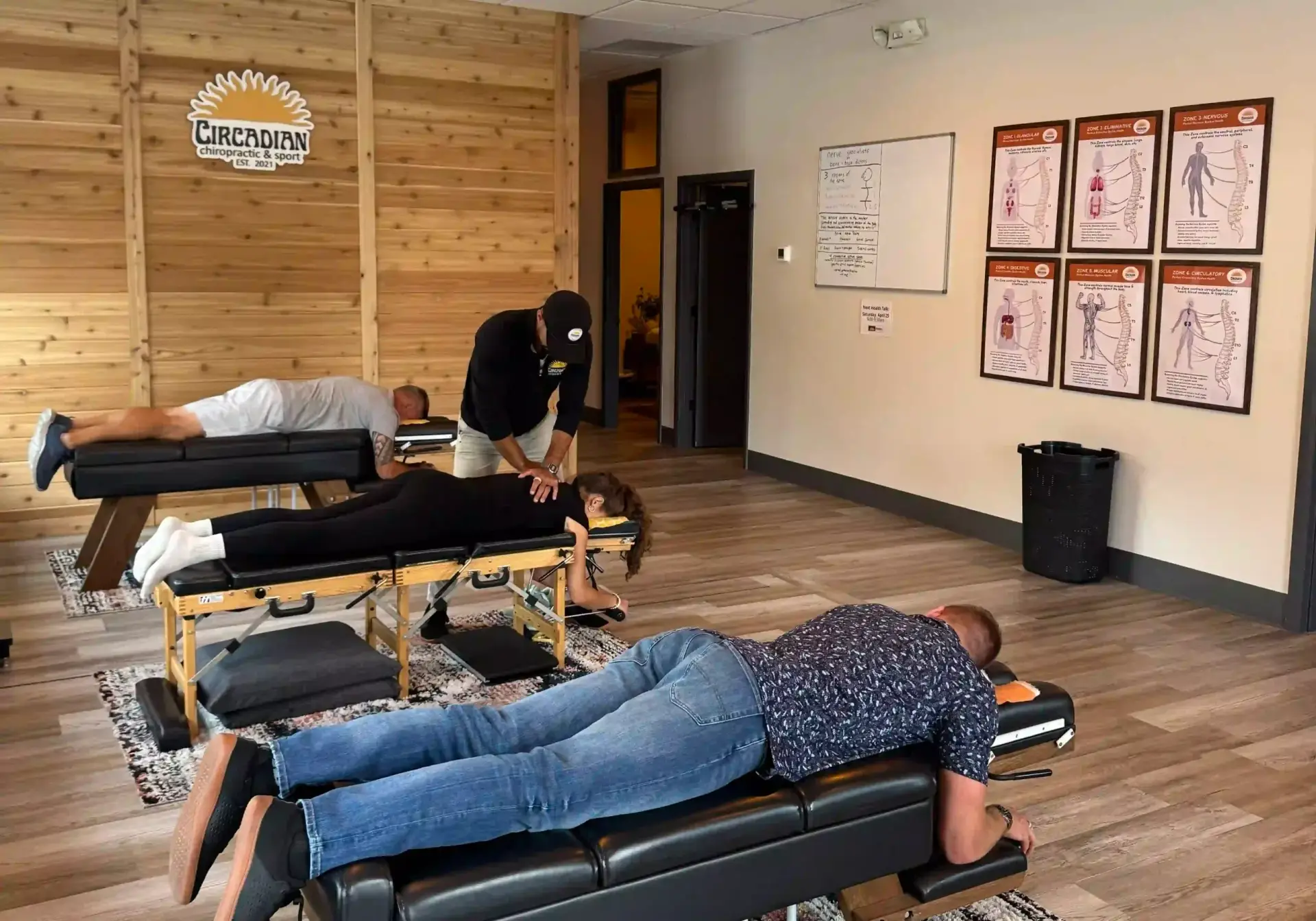
We look at your foot, ankle, knee, hip, and low back as one movement chain.
What may be behind heel pain
The plantar fascia is a thick band under your foot that supports the arch. It may get irritated when it takes on more load than it is ready for.
Common factors include tight calves, stiff ankles, weak foot and hip muscles, and changes in training or footwear. How your hips, pelvis, and low back move may also change how your foot hits the ground with every step.
does this sound familiar?
- Your first steps in the morning are the worst
- Your heel hurts after you’ve been sitting a while
- Running or pickleball makes your arch ache
- You’ve tried inserts and stretching for months
- You also have knee, hip, or low back pain on the same side
How we find the cause: position & condition
Every new patient gets the same thorough starting point. We look at two things:
Position
Where your vertebrae and spine sit and how they move. Posture checks, balance scales, and additional testing to see how your body is carrying itself. Range of motion through your whole spine, plus how each segment moves on its own.
Condition
The health of your vertebrae and discs. Full-spine digital X-rays can show disc changes, arthritis, bone spurs, or old injuries that may have created a stress pattern.
For heel and arch pain, we look at how your weight is spread across both feet on our bilateral weight scales, along with the position of your hips, knees, and lower back. An uneven stance can keep overloading the same foot.
From the side, your spine should have a smooth, healthy curve. We measure yours and chart it against normal:
MildUp to 25% loss of curve
Moderate25-50% loss of curve
SevereMore than 50% loss of curve
Your PostureRay X-Ray Report shows you exactly where you stand, and we re-measure along the way so you can see progress, not just feel it.
How we help heel pain
Depending on what your exam shows, your plan may include:
Low Back-to-Foot Exam
We check how you stand, walk, and balance, from the low back all the way down to the foot.
Adjustments
Specific adjustments to the foot, ankle, knee, hip, and spine as your exam calls for.
Neuro-Fitness
NeuFit and the Neubie device help find the weak links and retrain the muscles that support your arch and hip.
Return-to-Sport Plan
A progressive home exercise plan for the calf, foot, and hip, so the pain doesn’t come right back.
When to get medical care first: See a medical provider for heel pain after a fall or impact, swelling and warmth in the foot or calf, or pain with fever. Numbness or burning in the foot, especially if you have diabetes, also needs medical evaluation. A possible stress fracture may need imaging first.
What to expect
Feeling better and being fully better aren’t the same thing. Most people notice changes early on. Truly stabilizing a spine that’s been out of position for years can take up to 6-12 months of consistency… That doesn’t mean 6-12 months to feel better, it just means that your body needs time to hold the correction so it doesn’t slide back.
Will it hurt? Changing a spine that hasn’t moved in years can feel like a workout at the beginning. If you feel it, it’s usually in the first couple of weeks, and we adapt our technique to what works best for you.
When to see a doctor right away: Heel pain after a fall or jump, a foot that is hot, red, and swollen, or calf pain with swelling should be checked by a medical doctor first.
Frequently asked questions
Why would a chiropractor look at my foot?
Your feet are part of the same movement chain as your knees, hips, and spine. We look at all of it, because foot pain often has contributors higher up.
Do I have to stop running?
Not always. Many runners keep training at a lower load while we work on the weak links.
How long does plantar fasciitis take to get better?
It varies with how long you’ve had it and how much load you’re carrying. We give you a clear plan and re-check your progress along the way.
Why is my heel worst with my first steps in the morning?
The tissue under your foot tightens overnight, so your first steps stretch it suddenly. That morning pain is one of the most common signs of plantar fasciitis.
Do I need special shoes or inserts?
Supportive shoes help many people, especially on hard floors and long beach walks. We’ll talk through footwear and home stretches as part of your plan.
Keep Reading: Performance & Sports

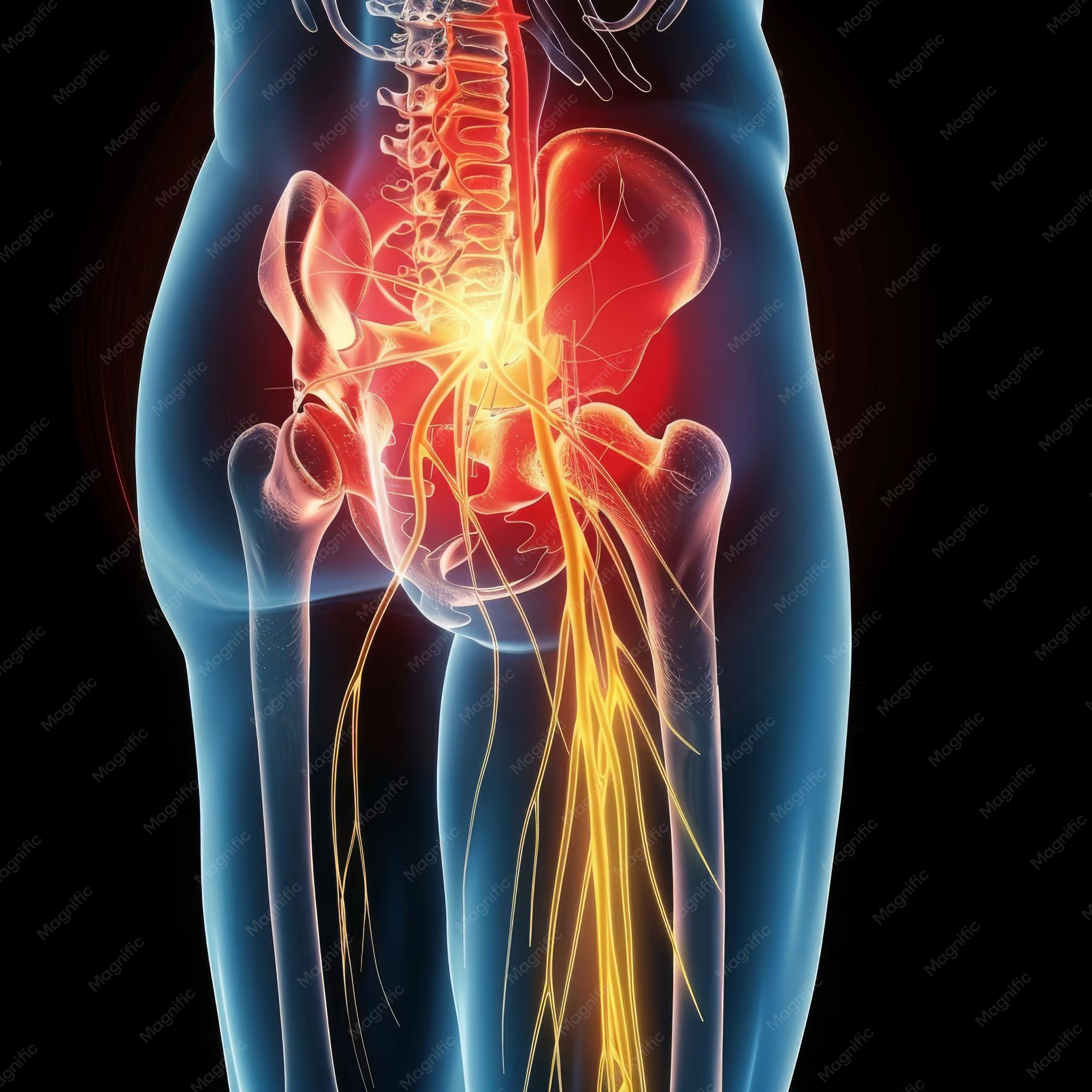
Why Your Low Back Hurts After 18 Holes (and It’s Probably Not Your Swing)
Why your low back hurts after 18 holes, the 3 swing faults that load your discs, and what a Sarasota chiropractor checks…

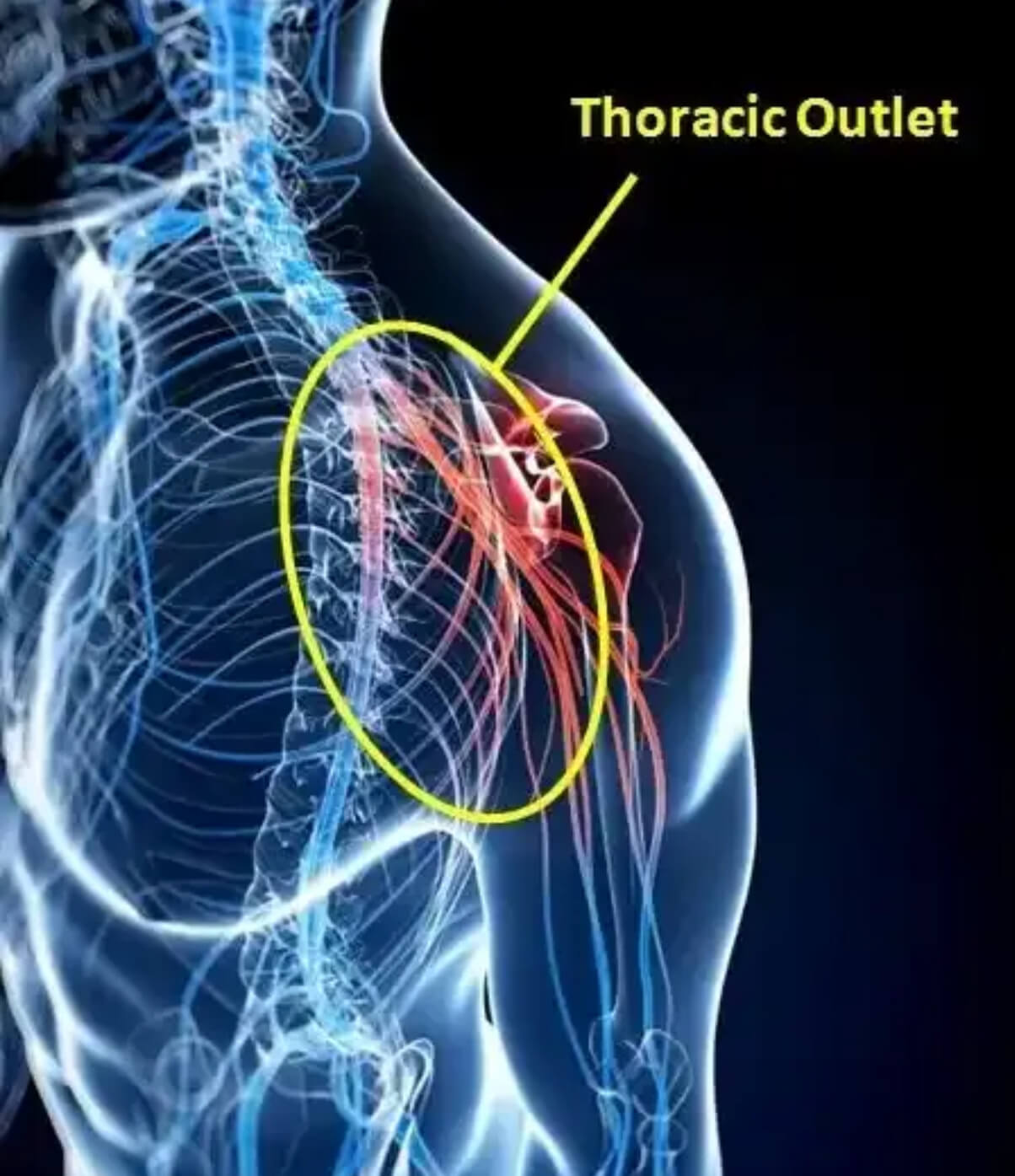
Thoracic Outlet Syndrome: A Sarasota Quarterback’s Story
A Sarasota high school QB still had numb, heavy arms after first rib surgery. Here’s what we found and how he got…

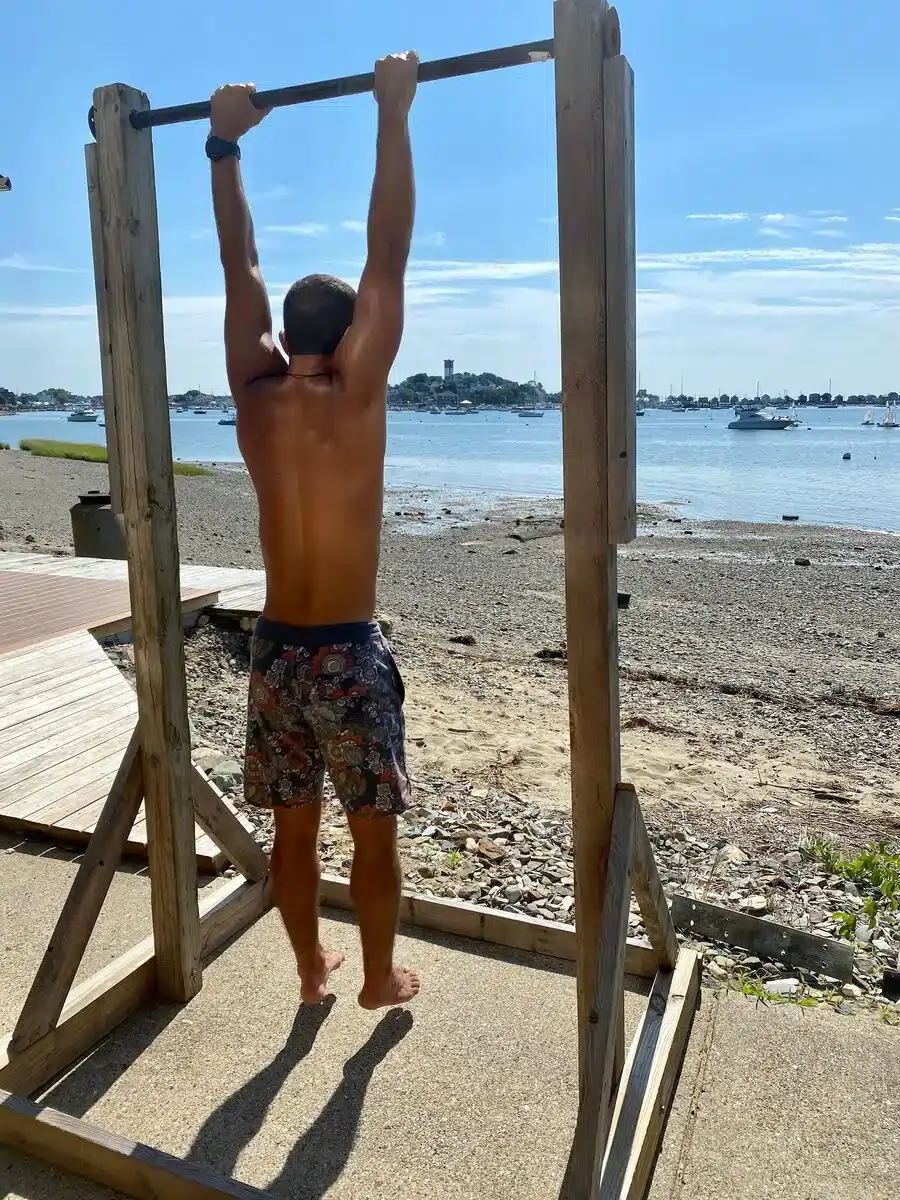
Hanging Practice: How to Build an Iron Grip and Mind
Dr. Alex Lee on dead hanging for grip strength, shoulder health, and mental resolve, plus simple protocols to get started.
Ready to walk out of bed without wincing?
Book your $47 new patient exam to find out what’s really going on and learn what a clear path forward could look like for your feet and the chain above them.