
Arthritis & Spinal Degeneration Help in Sarasota
“Degenerative” on an X-ray report isn’t a life sentence.
Plenty of people with wear on their spine stay active, golf, garden, and keep up with their grandkids. We help Sarasota, Bradenton, and Lakewood Ranch patients keep their spines moving well and their muscles strong.
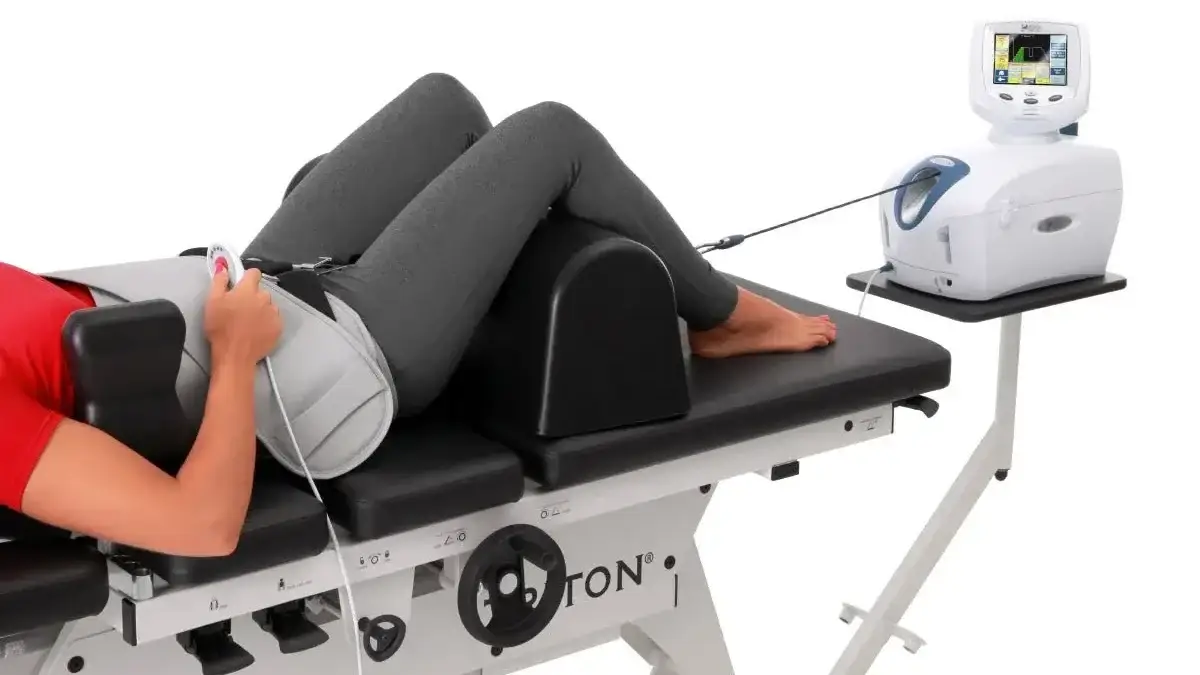
Non-Surgical Spinal Decompression on our Chattanooga Triton table.
What may be behind spinal degeneration
Over time, the discs between your vertebrae can lose height and hydration, and the joints may develop arthritis and bone spurs. Past injuries, posture, and how you’ve loaded your spine over the years all play a part.
How much it bothers you often depends less on the X-ray and more on how well your spine moves and how strong the muscles around it are.
does this sound familiar?
- You’re stiff every morning and loosen up as the day goes on
- Your X-ray or MRI says degenerative disc disease
- Your back aches after standing, walking, or a round of golf
- You’ve been told it’s just age
- You want to stay active without relying on pain pills
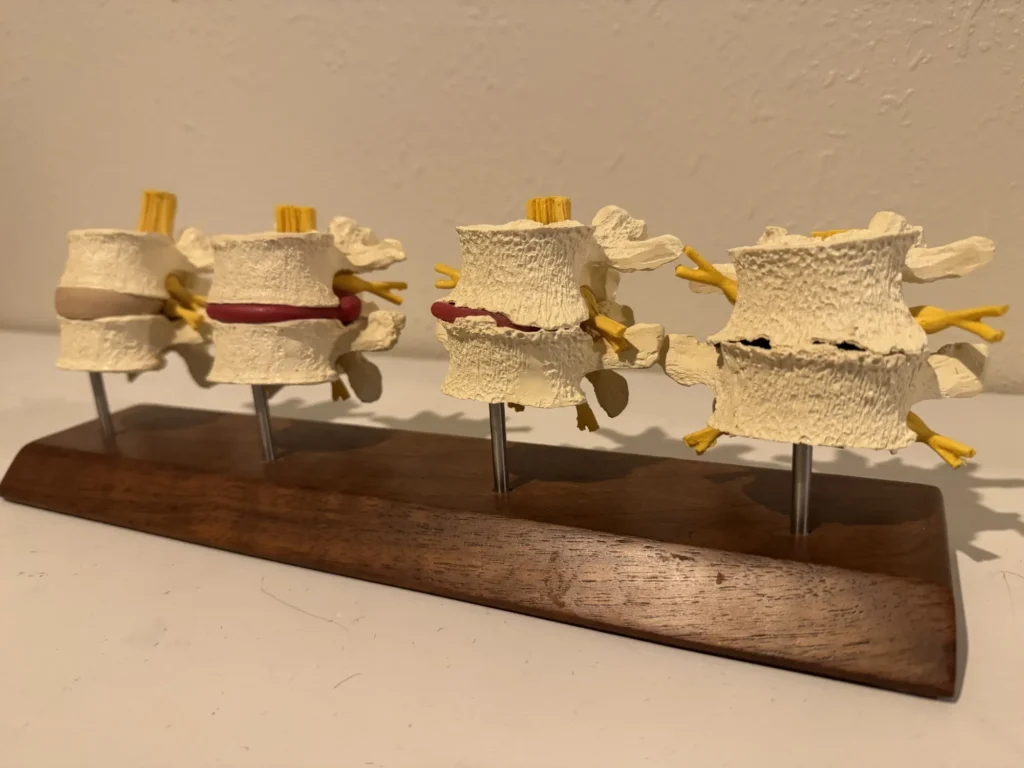
How we find the cause: position & condition
Every new patient gets the same thorough starting point. We look at two things:
Position
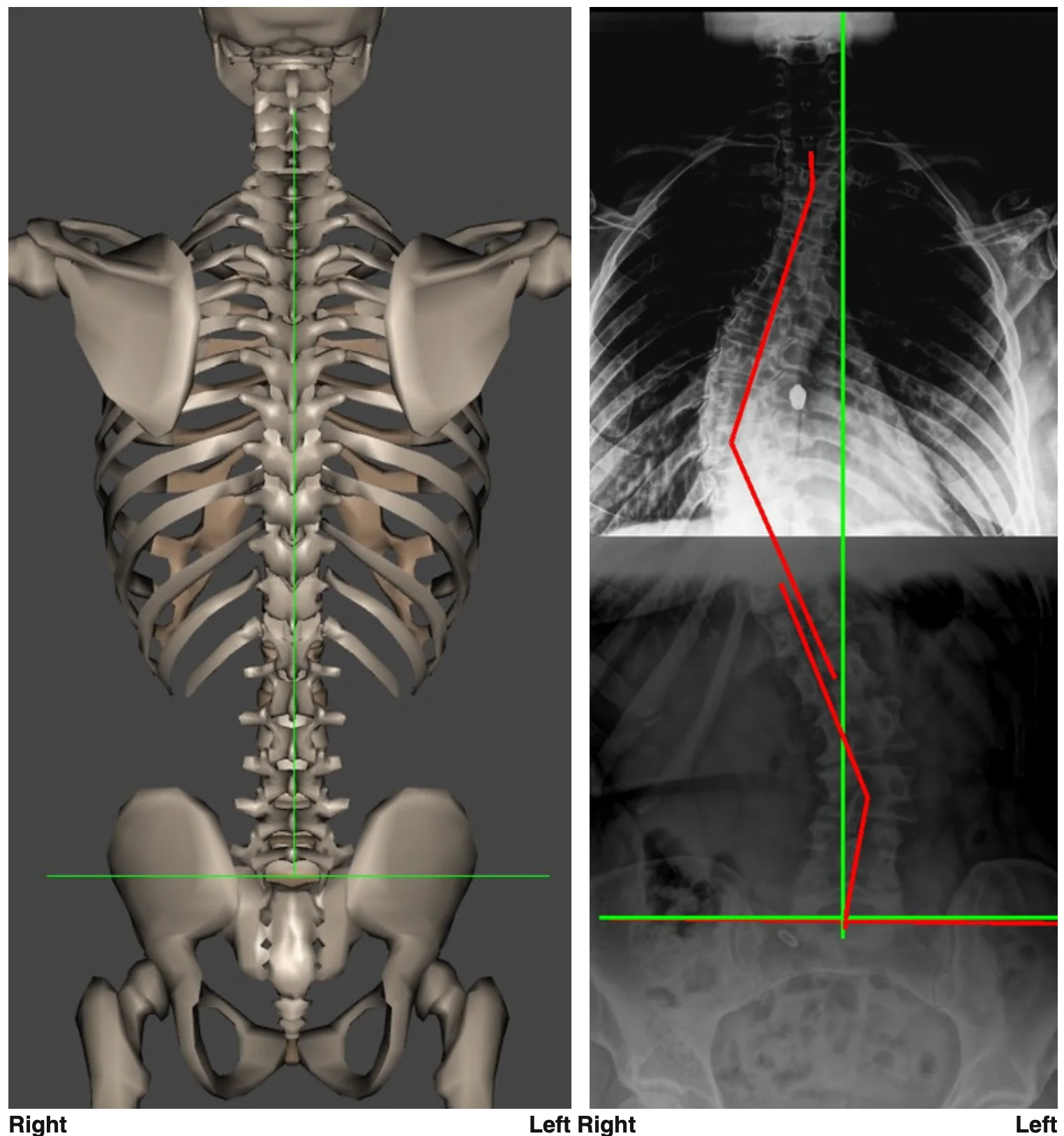
Where your vertebrae and spine sit and how they move. Posture checks, balance scales, and additional testing to see how your body is carrying itself. Range of motion through your whole spine, plus how each segment moves on its own.
Condition
The health of your vertebrae and discs. Full-spine digital X-rays can show disc changes, arthritis, bone spurs, or old injuries that may have created a stress pattern.
For arthritis, full-spine X-rays show disc height, bone spurs, and joint changes at each level. We look at how those changes affect the way your spine moves and carries load, so your care is matched to your joints.
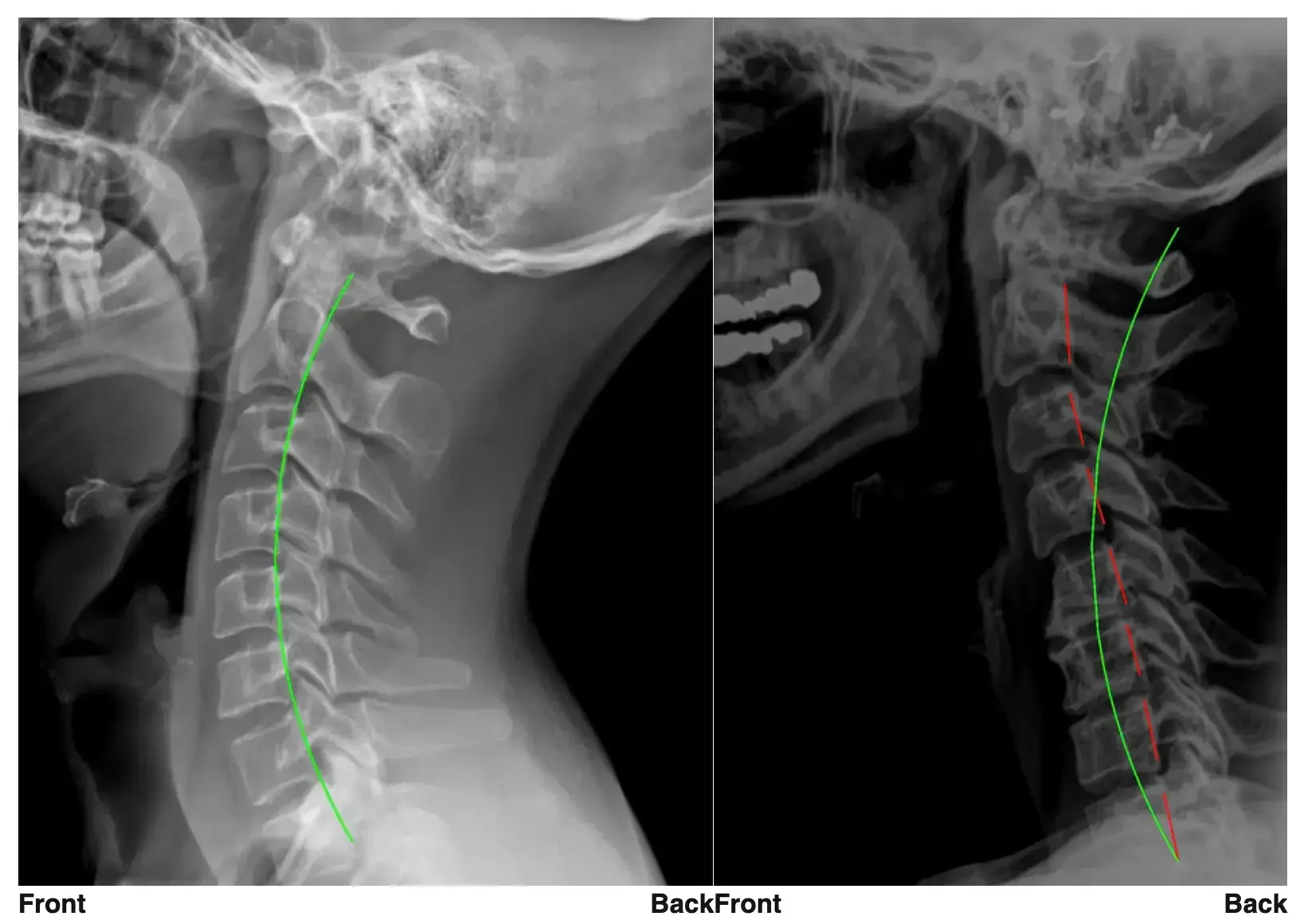
From the side, your spine should have a smooth, healthy curve. We measure yours and chart it against normal:
MildUp to 25% loss of curve
Moderate25-50% loss of curve
SevereMore than 50% loss of curve
Your PostureRay X-Ray Report shows you exactly where you stand, and we re-measure along the way so you can see progress, not just feel it.
How we help a degenerative spine
Depending on what your exam shows, your plan may include:
Exam & Digital X-Rays
A spine and nerve exam plus digital X-rays to see the position and condition of your spine.
Gentle Adjustments
Including low-force instrument options when bone density or joint condition calls for a gentler approach.
Non-Surgical Spinal Decompression
For degenerative and bulging discs in the neck and low back, on our Chattanooga Triton table.
Strength & Mobility Training
Training in our exercise space to support your spine for the long run, with re-checks so you can see progress.
When to get medical care first: Get medical care for back pain with fever, unexplained weight loss, or a history of cancer. Severe pain after a fall (especially with osteoporosis), new leg weakness, or numbness in the groin or saddle area needs prompt evaluation. Loss of bladder or bowel control is an emergency.
What to expect
Feeling better and being fully better aren’t the same thing. Most people notice changes early on. Truly stabilizing a spine that’s been out of position for years can take up to 6-12 months of consistency… That doesn’t mean 6-12 months to feel better, it just means that your body needs time to hold the correction so it doesn’t slide back.
Will it hurt? Changing a spine that hasn’t moved in years can feel like a workout at the beginning. If you feel it, it’s usually in the first couple of weeks, and we adapt our technique to what works best for you.
When to see a doctor right away: A joint that is suddenly hot, red, and swollen, especially with a fever, needs prompt medical care. So does new numbness or weakness in your arms or legs.
Frequently asked questions
Is chiropractic safe if I have arthritis or osteoporosis?
We tailor every visit to your exam and X-rays, including low-force options when bone density or joint condition calls for a gentler approach.
Can Non-Surgical Spinal Decompression help degenerative discs?
Many patients with degenerative and bulging discs are good candidates. Your exam and imaging tell us whether you are.
Will my spine keep getting worse?
Wear tends to change slowly. Staying mobile and strong is one of the best things you can do for how your spine feels and functions.
Is exercise okay with spinal arthritis?
For most people, yes. Regular movement like walking, swimming, and strength work helps keep stiff joints moving. We’ll suggest exercises that fit your X-ray findings and steer you away from ones that aggravate them.
How is arthritis different from degenerative disc disease?
They often go together. Arthritis affects the small joints of the spine, while degenerative disc disease describes discs losing height and hydration. Both show up on X-ray, and both can affect how your spine moves.
Keep Reading: Posture & Spine Health

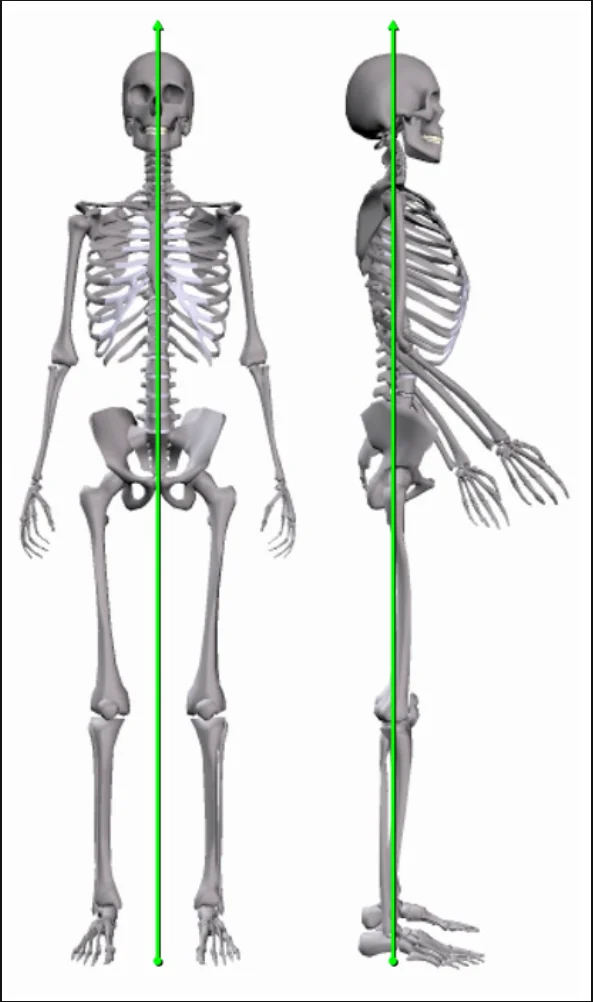
What a Normal Spine Looks Like on X-Ray
From the front your spine should be straight. From the side it should have four healthy curves. Here’s what “normal” means on…

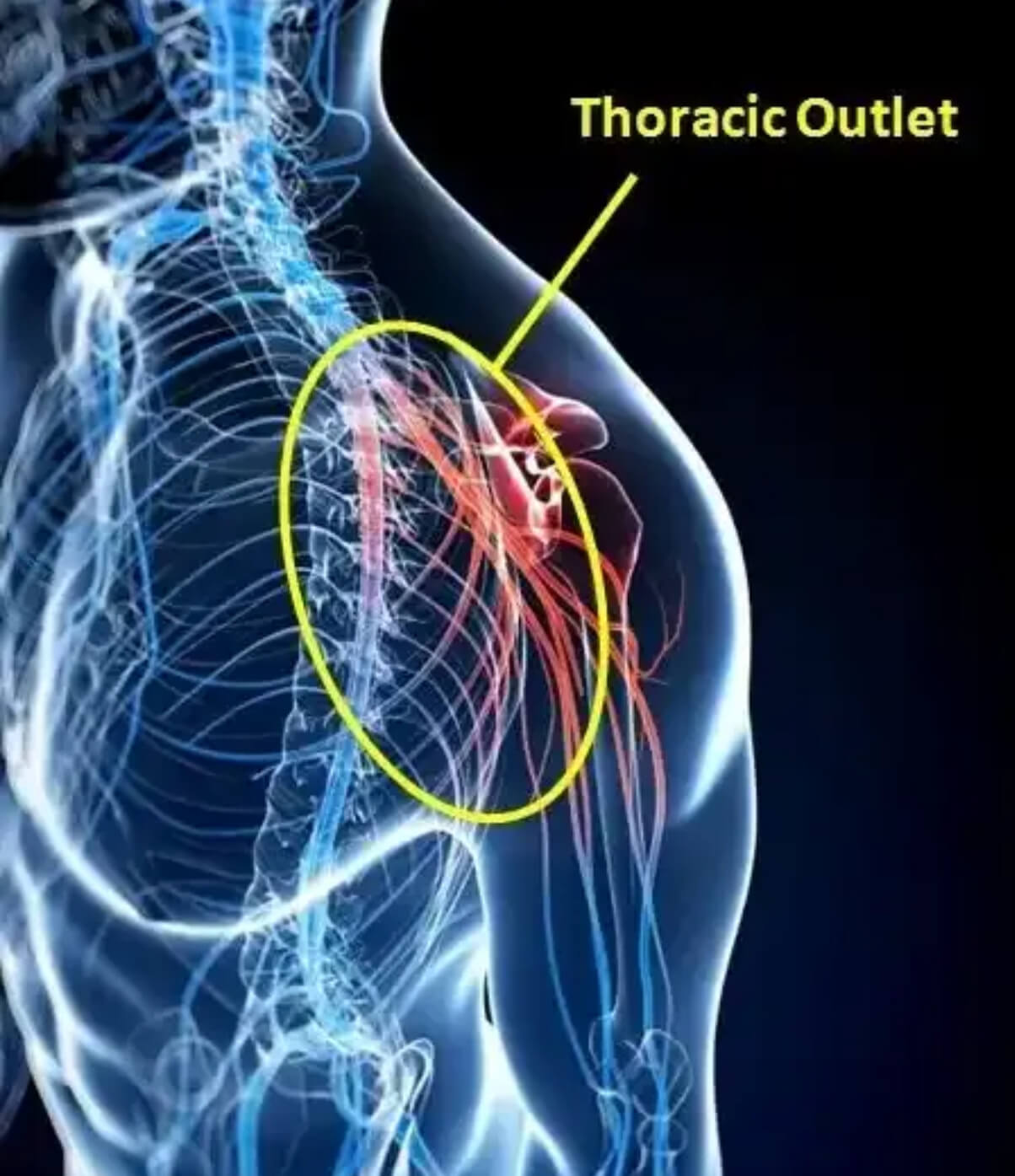
Thoracic Outlet Syndrome: A Sarasota Quarterback’s Story
A Sarasota high school QB still had numb, heavy arms after first rib surgery. Here’s what we found and how he got…

Your Scoliosis X-Ray Report, Explained
How we measure a scoliosis curve on X-ray using the Cobb and Risser-Ferguson methods, and what the lines on your PostureRay report…

Forward Head Posture: Why Your Neck Is Carrying More Than It Should
Every inch your head drifts forward adds load to your neck and upper back. Here’s what that does over time and how…
Don’t let “it’s just age” be the final word.
Book your $47 new patient exam to find out what’s really going on and learn what a clear path forward could look like.